
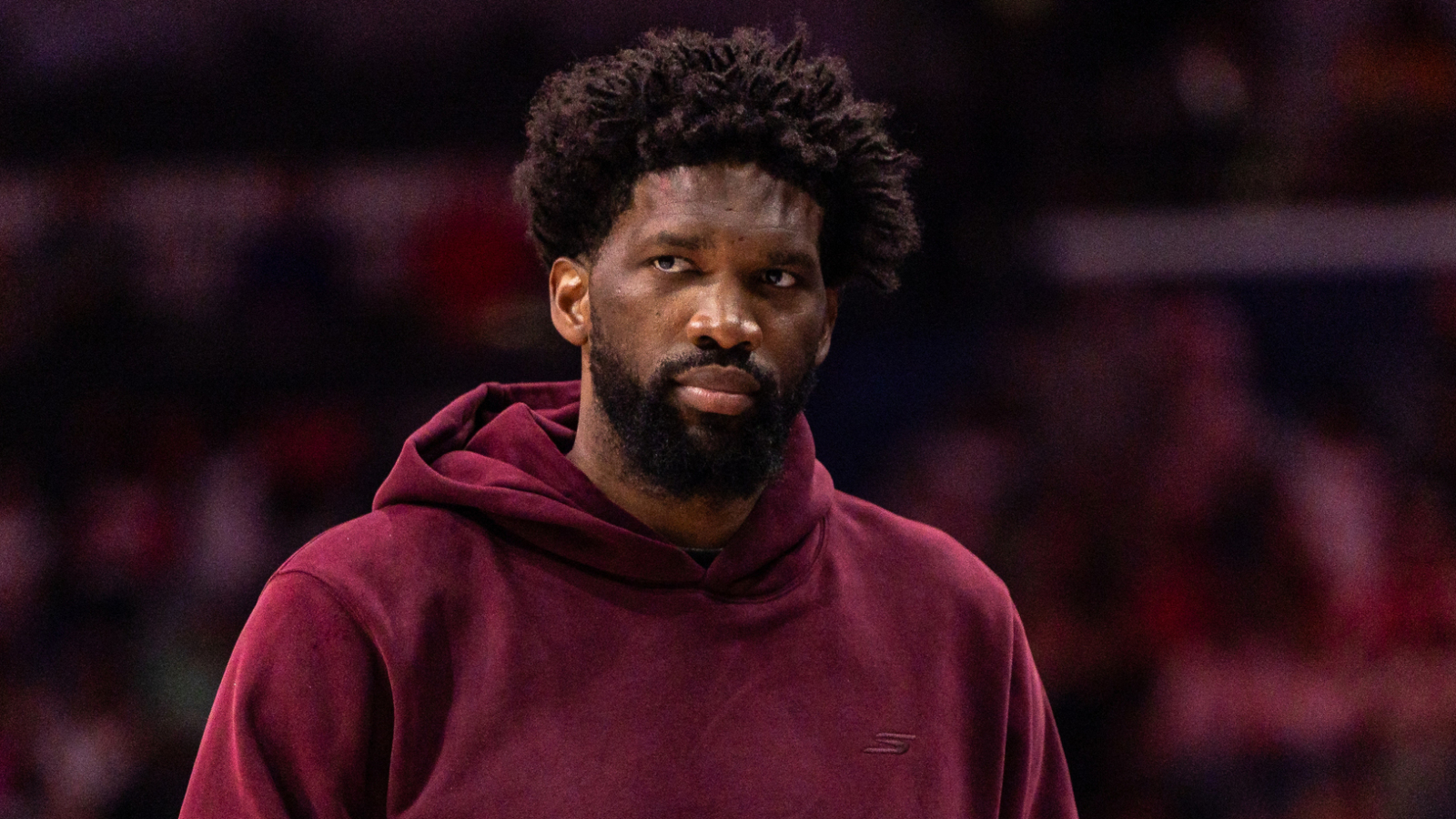
Philadelphia 76ers player Joel Embiid has reached an important and concerning milestone in his 10-year basketball career.
He was sidelined for the 76ers’ game against the Portland Trail Blazers on Sunday due to a right oblique injury, marking an even split of 485 regular-season games played and 485 missed. This raises the question: Is Embiid one of the biggest “what if” players in NBA history?
Injuries Disrupting Greatness
Selected third overall by Philadelphia in the 2014 NBA Draft, Embiid missed his first two seasons due to a fracture in his right foot. Since then, he has faced numerous obstacles, including knee problems, concussions, and the challenge of maintaining peak fitness.
When healthy, Embiid is considered among the top players globally. He won the 2023 NBA MVP Award after a remarkable season, averaging 33.1 points, 10.2 rebounds, 4.2 assists, and 1.7 blocks per game. He was the first center since Shaquille O’Neal to lead the league in scoring.
Embiid’s skills include strong mid-range scoring and ball-handling capabilities, and he excels at drawing fouls and providing solid rim protection.
The following season, he continued to perform at a high level and was on track to join Wilt Chamberlain as the only players to average at least 35 points, 10 rebounds, and five assists for an entire season. However, a knee injury in January halted his momentum. Since then, Embiid has struggled to reach that elite performance level again.
Is Joel Embiid One of the Biggest “What If” Players?
Regardless of his future accomplishments, Embiid is likely to secure a place in the Hall of Fame. His skills as a scorer and effective defender make him a standout player.
Embiid and Nikola Jokic of the Denver Nuggets were once viewed as the top centers in the league, with constant comparisons between them. One key difference is their availability: Since entering the league in 2015, Jokic has averaged 72.5 games played per season.
While Embiid’s peak performance aligns with some of the sport’s all-time greats, his ongoing injuries and inconsistencies may influence the narrative of his otherwise promising Hall of Fame career.