
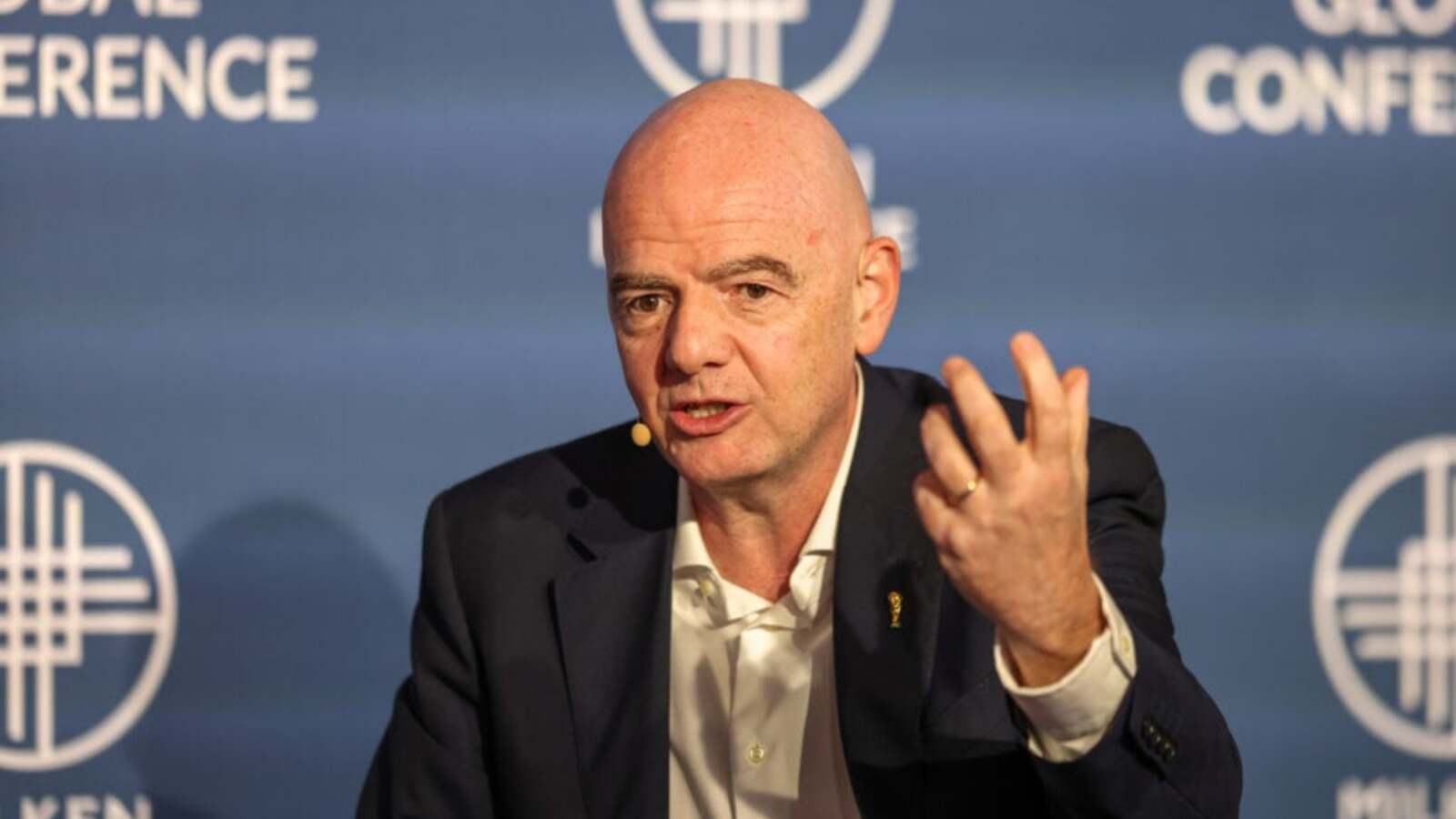
Gianni Infantino Defends High World Cup Ticket Prices Through Market Perspective
In a recent statement to Front Office Sports, FIFA President Gianni Infantino provided insights into the organization’s pricing strategy for World Cup tickets.
“We have to look at the market. We are in the market in which entertainment is the most developed in the world, so we have to apply market rates,” Infantino explained.
He added, “In the U.S., it is permitted to resell tickets as well, so if you were to sell tickets at the price which is too low, these tickets will be resold at a much higher price.”
Infantino further noted that despite criticisms about the high ticket prices, they frequently appear on the resale market at prices more than double the original cost.
The FIFA President’s rationale is based on demand dynamics. With the majority of matches being hosted in the U.S. and global interest peaking, FIFA anticipates the resale market will inflate prices irrespective of the initial ticket costs.
Thus, rather than undercutting ticket prices, FIFA opts to align them with what it believes the market is willing to bear.
Infantino Compares World Cup Ticket Costs to NCAA Football
To further clarify the ticket pricing, Infantino drew parallels to American college football.
“We have 25% of the group stage tickets which can be bought for less than $300,” he stated. “You cannot go to watch in the U.S. a college game, not even speaking about a top professional game of a certain level, for less than $300. And this is the World Cup.”
This comparison to NCAA football has sparked some debate, as many view the cultural and pricing variances between domestic sports events and a global tournament, which has traditionally aimed for wider accessibility, as significant.
While it’s acknowledged that premium NCAA and NFL tickets can be costly, numerous fans contend that equating these events with the World Cup overlooks the tournament’s diverse global audience and its history of broader affordability.
Additionally, concerns also rise about associated expenses. Travel, lodging, and local costs in U.S. host cities are already expected to exceed those in prior World Cups.
Consequently, even “lower-tier” tickets could lead to a pricey overall experience. For FIFA, the strategy is straightforward: set prices based on demand in one of the world’s largest entertainment markets.