
For many years, European football moved away from the traditional centre-forward. Instead, teams favored false nines, dynamic front threes, inverted wingers, and midfield-focused systems, prioritizing movement over presence. This made the classic No. 9 seem outdated, more of a nostalgic figure than a practical choice.
However, this trend is not as permanent as it seemed. The recent resurgence of the classic striker has rekindled excitement in attacking play, much like the thrill of strategic board games. A traditional striker introduces directness and flair that is hard to replicate. While football has become more complex, the sight of a strong forward positioning for crosses and finishing with ease still retains its unique charm.
This revival is not merely about nostalgia; it’s a tactical shift. As teams focused on pressing and intricate passing, defenders became better at countering fluid movements. Consequently, a striker who can dominate defenders and take advantage of even small opportunities has regained significance.
Why the Classic Striker Is Back on the Tactical Agenda
European football often goes through cycles, even when trends seem new. While modern tactics still value pressing and versatility, coaches are realizing that a diverse attacking approach is crucial for winning. A team full of agile attackers may look appealing but may struggle against a well-organized defense.
A true No. 9 alters offensive dynamics. Central defenders are drawn into confrontations, making full-backs more cautious. Midfield players gain a reliable target for passes and rebounds. A side that appears neat and harmless can become threatening with a genuine striker leading the attack.
Key Qualities Driving Demand:
- Strong hold-up play under pressure
- Consistent finishing in crowded penalty areas
- Aerial threat against defensive setups
- Physical presence that challenges centre-backs
- Simpler options for scoring when attacking flow slows
The last point is significant. Elite football often gets caught up in complexity, yet many games come down to straightforward plays: a cross, a second ball, and a finish. When strategy complicates scoring, teams often turn back to players who can make it look simple.
Top Number 9s in Europe
Harry Kane’s move to the Bundesliga highlights his remarkable skills. Playing for Bayern Munich, he showcases his ability to excel as a striker or a deeper forward, consistently outpacing defenders in both league and Champions League matches.
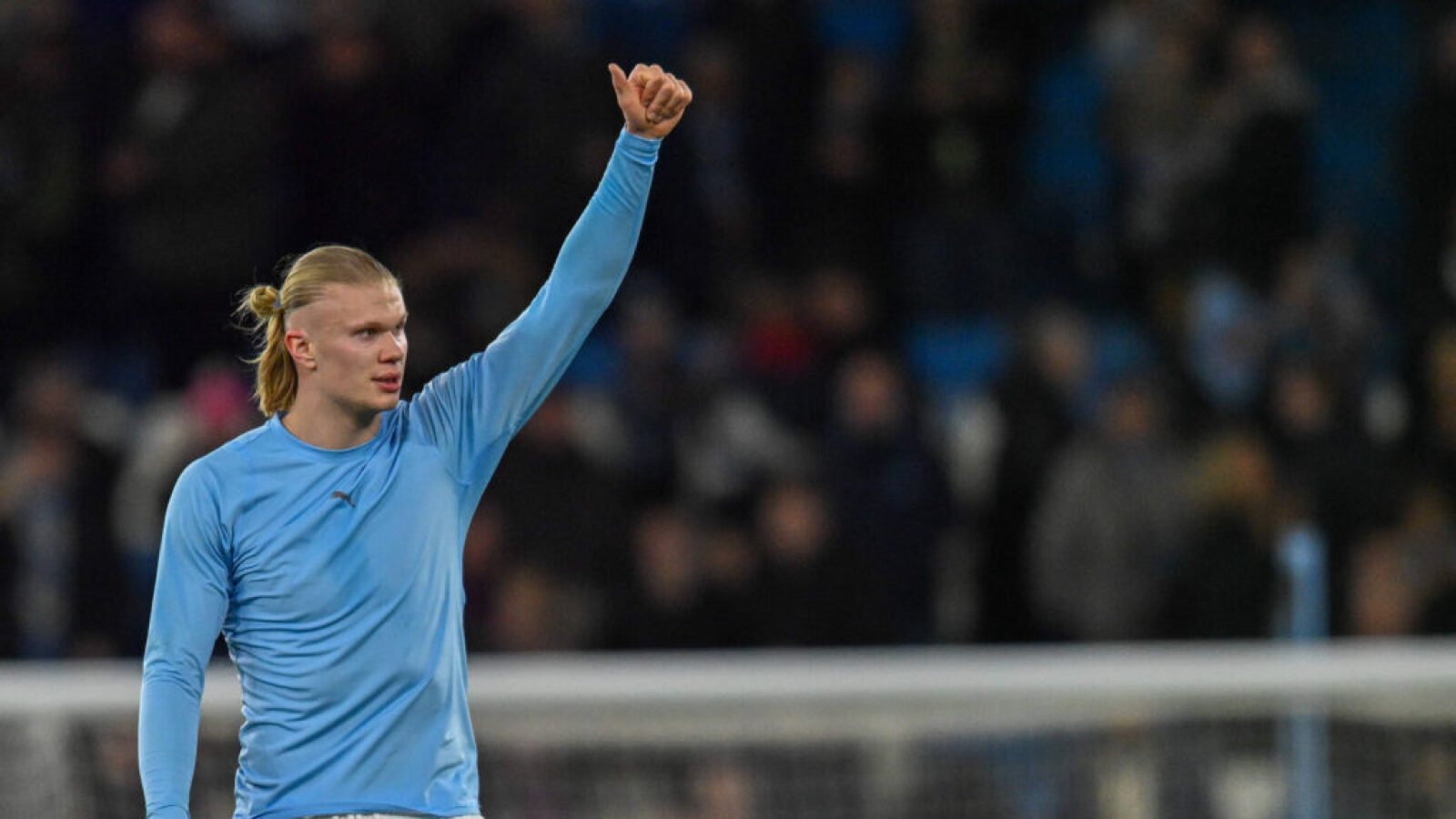
Erling Haaland has cemented his status as a leading figure of this new era. His impressive physicality, combined with his precise finishing and speed, makes him a top striker. Leading the Manchester City attack, he is now one of the most recognized forwards globally.
Robert Lewandowski, despite aging, remains a key figure in Barcelona‘s offense. His height and intelligence enable him to score in ways many players cannot.
Also notable are Lautaro Martinez and Victor Osimhen, who excel as strikers in less high-profile leagues. Martinez has proven his worth at Inter, while Osimhen played a pivotal role in Napoli’s historic Serie A championship.
More Than Just Size and Headers
The traditional No. 9 stereotype was narrow: tall, not very mobile, and effective in aerial battles. While that type still exists, the new-age striker has evolved. Today’s forward must press, combine, and fit into faster play styles. The role has transformed, requiring more than just classic skills.
This new generation of forwards is crucial. They bring together classic instincts and contemporary demands. Their box awareness comes from a different era, while their work rate aligns with modern football. This combination makes the position more challenging to defend than before.
A Modern No. 9 Brings:
- Box instinct based on traditional play
- Better pressing ability than earlier strikers
- Technical skills to link up with midfielders
- Wisdom on when to drop back or stay forward
- Mental resilience when opportunities are scarce
This evolution clarifies why the position is appealing again. Coaches seek strikers who can thrive in modern systems rather than being mere targets in the box.
European Football’s Need for Specialists
There was a time when versatility was paramount. Every attacker had to switch positions and contribute from various areas. While valuable, the game loses something when all forwards appear similar.
Specialists remain essential. A winger with genuine one-on-one skills can impact games. A deep playmaker can shift tempo, while a traditional striker can change the offensive dynamic significantly. Defenders notice, and fans feel the difference as the shape of an attack shifts.
The return of the No. 9 signals an important truth: not every challenge requires a trendy solution. Teams sometimes need control, chaos, or a striker who thrives on rebounds and turns a loose ball into a goal. Such players might not dominate tactical discussions, but success in leagues rarely considers style over substance.
Why the Role Remains Powerful
The appeal is practical—goals are essential in football, and a reliable finisher is invaluable. Emotionally, the traditional striker embodies certainty in a sport filled with unpredictability. Amid abstract strategies, the No. 9 simplifies the game to its essence: attack the box, beat the marker, and score.
European football did not erase this position; it merely tried to modernize it. Now, the trend is reversing once more, as the timeless centre-forward returns—not as a relic, but as a reminder that certain football principles withstand the test of time.