
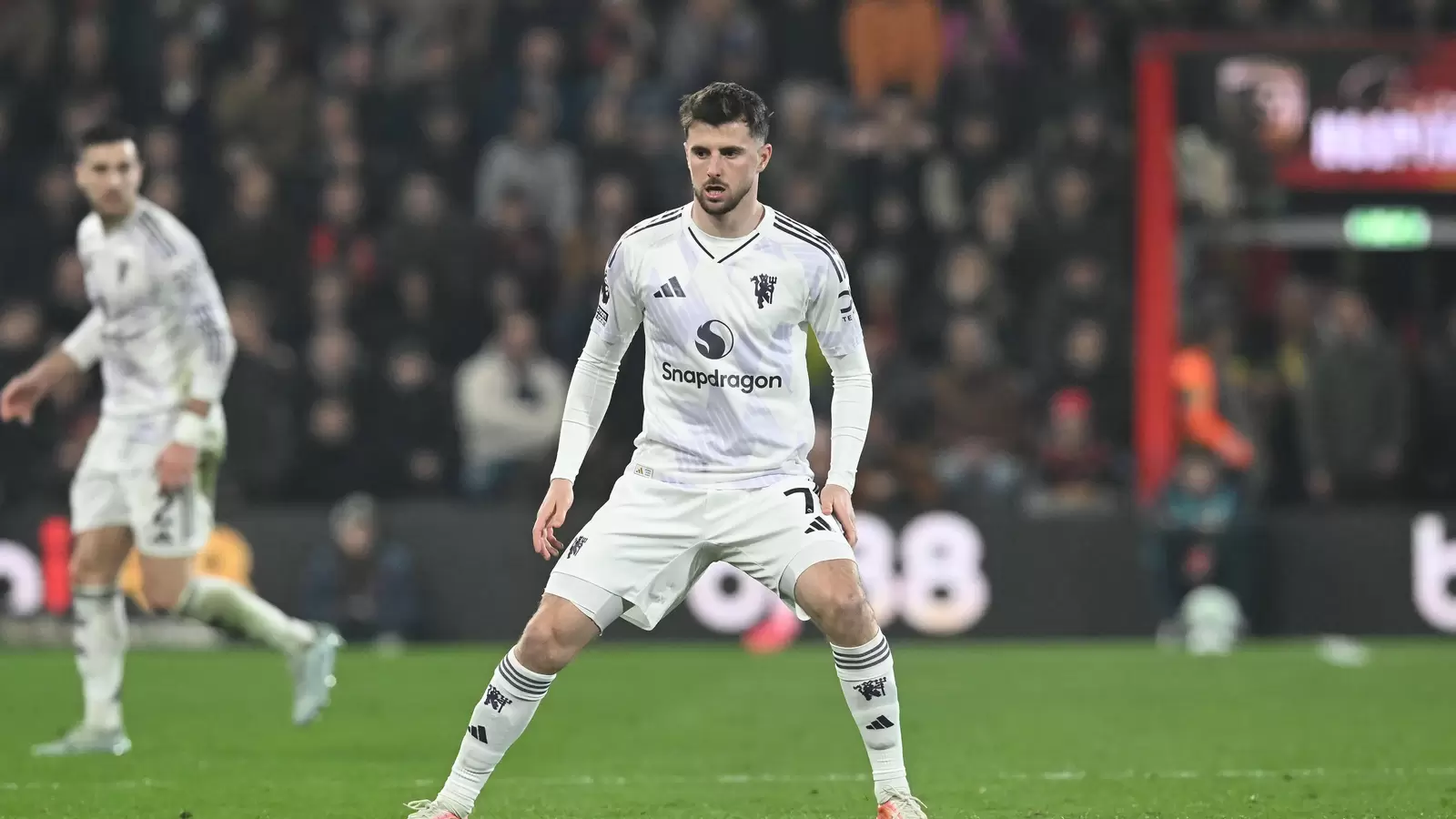
The Manchester United number 7 shirt has a storied reputation, historically reserved for the club’s top players. However, its status has diminished in recent years.
This article examines the significance of the Manchester United number 7 shirt and the reasons behind its decline.
The Fading Legend of Manchester United’s Most Famous Shirt
Historic Significance
George Best, while not exclusively a number 7, is celebrated as one of the greatest to wear it at Old Trafford. During his era, a player’s number reflected their position, and Best often wore it when playing on the right wing.
Bryan Robson was another iconic player who wore the number 7. A key figure during Sir Alex Ferguson’s early years, he became the club’s longest-serving captain and gave great respect to the shirt.
The introduction of squad numbers in the 1993/94 Premier League season brought Eric Cantona into the picture. Signing from Leeds, he is often described as one of Manchester United’s most charismatic players, leaving a lasting impact when he donned the number 7.
As Andy Mitten, editor of a fanzine and co-host of a podcast, noted, the shirt’s prestige grew with Cantona: “The 7 wasn’t a big thing at United until Cantona.”
The Two Most Well-Known Number 7s
After Cantona, David Beckham, known for his skills and influence, stepped up to wear the number 7. Beckham, who was part of the famous Class of ’92, made a mark at the club, especially during the iconic 1999 Champions League final, before moving to Real Madrid in 2003.
Another notable player is Cristiano Ronaldo. Given the number 7 as a teenager by Ferguson, he embraced the legacy, stating, “All players know… that the number seven is a mythic number at this club.” Ronaldo’s achievements at United included three Premier League titles and one Champions League title, and he was the first to win a Ballon d’Or while wearing the number 7.
After Ronaldo left in 2009, the shirt’s legacy began to decline.
The Start of the Rot
Following Ronaldo’s departure, Michael Owen, a former Liverpool star, controversially took the number 7 shirt. Despite a successful career at Liverpool, his time at United was less impactful, scoring 17 goals in 52 games over three seasons.
Antonio Valencia wore the shirt in the 2012/13 season but returned to his previous number after just one year. Although a reliable player, he did not carry the same prestige as previous number 7s.
In a surprising development, there was no one to wear the number 7 during the 2013-14 season, as no player was deemed worthy. Following this, Angel Di Maria, Memphis Depay, and Alexis Sanchez all wore the shirt over six years, but none left a positive legacy, scoring a combined eight goals.
Uptick in Form of Number 7s
Edinson Cavani, who arrived from PSG, took on the number 7 shirt and met expectations, scoring 17 goals in his first season. His success brought some excitement back to the shirt.
Upon Ronaldo’s return, he inherited the number 7 with Cavani’s consent. While his second stint ended poorly, he notably scored 24 goals in his first season back, reviving some of the shirt’s previous allure.
After Ronaldo’s exit, Mason Mount took the shirt, but he has struggled with injuries and hasn’t met expectations, further threatening the number 7’s legacy.
Is the Legacy Dead?
With a history filled with legendary players, the number 7 shirt has faced difficult times. Since Ronaldo’s departure, no player has consistently lived up to its prestige.
The legacy continues to decline, mirroring the club’s overall struggles. The famous number 7 is now just another number, a stark contrast to what it once represented during its glory days.